
Best Inverter Battery for Home: What You Need to Know Before Buying
August 18 2026
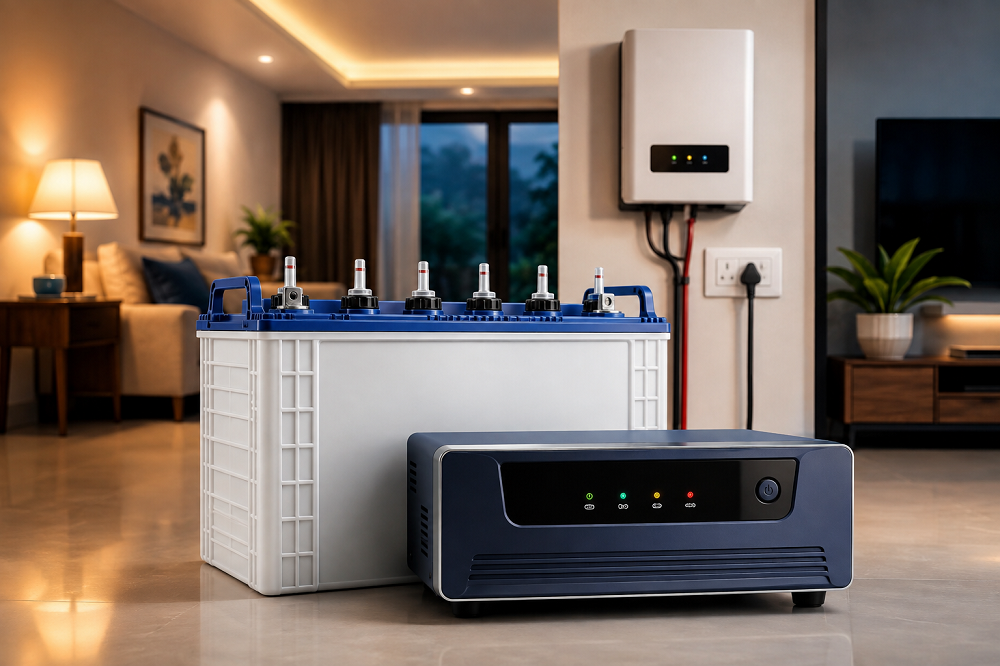
Power cuts can bring your daily routine to a sudden stop. Whether you’re working from home, attending an online class, watching television, running essential appliances, or simply trying to keep the fans and lights on, an unreliable power supply can quickly become frustrating. This is where a dependable inverter and battery can make a real difference. However, choosing the best inverter battery for home isn’t simply about buying the battery with the highest Ah capacity or choosing the most popular brand. You need to consider your home's power requirements, backup duration, battery type, maintenance, warranty, inverter compatibility, and budget before making a decision.
Why Choosing the Right Inverter Battery Matters
The battery is one of the most important components of your home power backup system because it stores the energy that your inverter uses during a power cut. A battery that doesn’t match your home's requirements may provide shorter backup, require frequent replacement, or fail to deliver the expected performance. On the other hand, the right battery can provide dependable backup for essential appliances and offer better value over its service life. This is why it’s important to understand your requirements before making a purchase rather than selecting a battery based only on price or brand name.
Understand Your Home's Power Requirements
The first step in choosing an inverter battery is to identify the appliances you want to operate during a power cut. Most households prioritise essential appliances such as ceiling fans, LED lights, Wi-Fi routers, televisions, laptops, and other small electronic devices. Some homeowners may also want backup for refrigerators or additional appliances. Once you know which appliances need to remain operational, you can estimate the total load and determine the battery capacity required. This simple calculation can prevent you from buying a battery that is either too small for your needs or unnecessarily large for your actual usage.
Know What Battery Capacity Means
Inverter battery capacity is generally measured in Ah, or ampere-hours. You’ll commonly find home inverter batteries in capacities such as 100Ah, 120Ah, 150Ah, 180Ah, and 200Ah. Generally, a higher Ah rating means the battery can store more energy and may provide longer backup. However, backup time doesn’t depend on Ah alone. The connected load, inverter efficiency, battery condition, discharge rate, and other factors also affect how long your appliances can run. For many homes, a 150Ah battery can be a practical option for essential loads, while a 200Ah battery may be more suitable when the power requirement or desired backup duration is higher.
Tubular Battery vs Flat-Plate Battery
Battery technology is another important factor to consider. Tubular batteries are widely used for home inverter systems because they are designed to handle regular deep discharge and are generally well suited to areas with frequent power cuts. They can offer good durability and are available in different capacities for residential applications. Flat-plate batteries can be a suitable option for homes where power cuts are less frequent and usually shorter. While they can have a lower initial cost, tubular batteries are often preferred when dependable backup is required regularly. Your local power-cut pattern should therefore play an important role in this decision.
Is a Lithium Battery Suitable for Home Backup?
Lithium batteries have become an increasingly attractive option for residential power backup. Compared with conventional flooded lead-acid batteries, lithium batteries can offer advantages such as lower maintenance, lighter weight, compact design, and potentially longer cycle life. They can be particularly appealing to homeowners who want a cleaner and more convenient backup system. However, lithium batteries usually have a higher upfront cost and require an inverter or power system that is compatible with the battery technology. If you’re considering lithium, make sure the battery and inverter are designed to work together before making the purchase.
Check Inverter and Battery Compatibility
Your inverter and battery should always be treated as a complete system. Before buying a new battery, check the inverter's supported voltage, battery capacity, charging specifications, and recommended battery types. This is especially important when replacing an existing lead-acid battery with a lithium battery. An incompatible combination can result in poor charging, reduced performance, or other operational problems. If you’re unsure about compatibility, check the manufacturer's specifications or consult an authorised dealer before purchasing.
Decide How Much Backup You Actually Need
Your expected backup duration should influence the battery you choose. If your area usually experiences short power cuts lasting less than an hour, you may not need a very high-capacity battery. On the other hand, if outages regularly continue for several hours, a larger battery may be more appropriate. It’s also important to remember that running fewer essential appliances will generally provide longer backup than running a large number of appliances simultaneously. Instead of simply choosing the biggest battery available, consider your actual usage pattern and determine how much backup you realistically need.
Consider the Type of Appliances You Want to Run
Not every appliance consumes the same amount of electricity. LED lights and Wi-Fi routers require relatively little power, while refrigerators, computers, and other appliances may have higher or variable power requirements. Some appliances can also have a higher starting or surge demand. If you plan to operate appliances with significant starting loads, make sure your inverter is capable of handling them. Choosing the battery without considering the appliance load can lead to disappointing backup performance, even if the battery has a high Ah rating.
Look Carefully at the Warranty
Warranty is an important consideration when buying an inverter battery, but don’t compare products simply by looking at the total number of warranty months. Read the actual warranty terms to understand what is covered and for how long. Some batteries may have different periods for full replacement and pro-rata coverage. You should also check whether specific maintenance requirements or installation conditions apply. A battery with a slightly higher purchase price may offer better value if it comes with reliable warranty coverage and strong after-sales support.
Maintenance Requirements Can Affect Your Decision
Traditional flooded lead-acid batteries generally require regular maintenance. Depending on the battery design and manufacturer’s instructions, electrolyte levels may need to be checked and distilled water may need to be added periodically. Battery terminals should also be kept clean, connections should remain secure, and the battery should be installed in a suitable and well-ventilated area. If you prefer a backup system with minimal routine maintenance, a compatible lithium battery may be more convenient. Understanding the maintenance requirements before buying can help you choose a battery that fits your lifestyle.
Consider the Installation Location
Where you install the battery can affect its performance and service life. Conventional lead-acid batteries should generally be installed in a properly ventilated location as recommended by the manufacturer. Avoid placing them in extremely hot, enclosed, or unsuitable areas. The installation space should also allow easy access for inspection and maintenance. Before purchasing a larger battery, make sure you have enough space for safe installation and that the location meets the manufacturer's requirements.
Don't Choose a Battery Based Only on Price
It can be tempting to choose the cheapest inverter battery available, particularly when several products appear similar on paper. However, the initial purchase price doesn’t tell you the complete cost of ownership. Consider the expected service life, warranty, maintenance requirements, charging performance, replacement cost, and availability of service in your area. A reliable battery that lasts longer and requires fewer replacements may offer better value than a cheaper product that needs to be replaced sooner.
Brand and After-Sales Service Matter
Brand reputation can provide some confidence, but after-sales service is equally important. Established inverter battery manufacturers may have wider dealer and service networks, making it easier to access technical assistance or warranty support. Before buying, check whether authorised service centres or dealers are available in your location. A battery can have excellent specifications, but if getting support becomes difficult when you need it, the ownership experience can become frustrating. Always consider the complete package rather than focusing only on the product name.
150Ah or 200Ah Battery: Which One Should You Choose?
The choice between a 150Ah and 200Ah inverter battery depends on your household's power requirements and desired backup time. A 150Ah battery can be suitable for many homes that primarily need backup for lights, fans, Wi-Fi, televisions, and other essential appliances. A 200Ah battery can make more sense if you have a higher backup load or regularly experience longer power cuts. However, before upgrading to a higher-capacity battery, make sure your inverter supports it and that the additional capacity is actually useful for your household.
Common Mistakes to Avoid When Buying an Inverter Battery
One of the most common mistakes is choosing a battery solely because it has a higher Ah rating. A larger battery isn’t automatically better if your inverter or household load doesn’t require it. Another mistake is ignoring compatibility between the battery and inverter. Buyers sometimes overlook warranty conditions, maintenance requirements, installation space, and local service availability as well. Choosing a battery without first understanding your actual backup needs can also result in unnecessary spending. Taking a few minutes to evaluate these factors can make the buying process much easier.
How to Choose the Best Inverter Battery for Your Home
Start by identifying the appliances you want to run during a power cut and estimate their combined power consumption. Next, decide how long you want the backup to last and choose a suitable battery capacity. Then compare battery technologies such as tubular, flat-plate, and lithium based on your usage, maintenance preferences, and budget. Finally, check inverter compatibility, warranty coverage, expected service life, installation requirements, and local service support. This approach allows you to select a battery based on your actual requirements instead of simply following a generic recommendation.
Make the Right Choice for Your Home
Choosing the best inverter battery for home is ultimately about finding the right balance between capacity, reliability, durability, maintenance, and cost. For households that experience frequent power cuts, a quality tubular battery can be a dependable choice, while a compatible lithium battery may appeal to homeowners looking for low maintenance and long-term performance. Before purchasing, calculate your essential power requirements, determine the backup duration you need, and compare the important specifications carefully. The right battery can provide dependable backup, protect your daily routine from unexpected outages, and give you better value throughout its service life.
Frequently Asked Questions (FAQs)
Which is the best inverter battery for home use?
A good-quality tubular battery is a popular choice for homes with frequent power cuts because it offers reliable performance and good durability. However, the best inverter battery depends on your power load, backup requirement, budget, and inverter compatibility.
Is a 150Ah or 200Ah battery better for home use?
A 150Ah battery can be suitable for essential loads such as fans, lights, Wi-Fi, and a television, while a 200Ah battery may be better for higher loads or longer backup requirements. The right capacity should be selected according to your actual electricity needs and inverter specifications.
How long does an inverter battery provide backup?
Backup time depends on the battery capacity, connected load, inverter efficiency, battery condition, and usage. Running fewer essential appliances will generally provide longer backup than operating multiple high-power appliances at the same time.
Are tubular batteries better than flat-plate batteries?
Tubular batteries are generally better suited to homes with frequent or long power cuts because they are designed for regular deep discharge. Flat-plate batteries can be a practical option where power cuts are occasional and relatively short.
Should I buy a lithium or lead-acid inverter battery?
Lithium batteries offer advantages such as low maintenance, lighter weight, and potentially longer cycle life, but they usually have a higher initial cost. Lead-acid batteries, particularly tubular models, remain a practical choice for many homes because of their affordability, availability, and established service network.